Part III: Module I
"The Impostors"
It's about time you woke up. AUBG's single use plastics problem is worse than you think.
(And even more...on a global scale)
Welcome to Part 3 of Module 1 -- congratulations, you're just a few steps away from reclaiming your sustainable sovereignty.
Throughout this module, you'll learn the exact factors that are REALLY holding you back from living sustainably.
This is not the usual cliche style "eco-friendly course"...
...nor is it going to feed you more of the "save the turtles" woke agenda.
You will learn how you'll be able to ESTABLISH your plastic independency very soon.
Plastic is not just in the oceans - it’s in your LIFE.
To those who think they're doing enough by saying "no" to plastic straws and carrying a reusable water bottle...
Let me stop you right there.
The real issue is hidden exactly into so-called “essentials” you’re buying every day without a second thought.
What are they offering to you, as the consumer? Convenience, cost-cutting, and readily available use to enter into auto-pilot.
What they are taking away from you is your ecological sovereignty in a reality of environmental destruction.
Actually, you are passing by these plastic-free alternative items daily...
...on your commute to work. At your local Starbucks. Walking casually on the street. Doing your groceries...
...without giving them the chance to shine.
Ready to enlighten your mind with the sustainable, easy to substitute items?
- Coffee Cups
Or what I like to call them...
"The Morning Trap".
They might be your go-to caffeine fix, but they're plastic in a paper nutshell. Those “paper” cups are lined with a thin layer of plastic that makes them impossible to recycle.
And don’t even get started on mentioning hte likes of plastic lids, coffee stirrers, and straws.
Multiply that by the billions of cups used globally every year, and you’ve got a crisis
.
Quick Fact Check
: Over 16 billion disposable coffee cups are used worldwide annually. Most are lined with polyethylene, a type of plastic that takes over 450 years to break down. (Source: National Geographic)
The covert price you're all paying? A quick caffeine fix is costing the planet — and your credibility as someone who wants to lead change.
More than 8 million tons of plastic waste ANNUALLY — your morning latte is part of that problem. Every sip is tying you to the vicious system you’re trying to break away from.
How can you help yourself and the planet?
The answer's incredibly simple...
Invest in a glass or stainless-steel made coffee mug that you can use for YEARS. Even Starbucks accepts orders with them and sells their own branded version on the counter.
- Bottled Water
That's yet another mainstream flashy term for an overpriced, "premium" tap water.
What is happening in the real world is that bottled water is just filtered tap water, wrapped in single-use plastic. It
takes centuries to degrade.
I know what you are thinking: even bottles labeled as "recycled-quality" are often compressed and produced into lower-quality plastics.
Quick Fact Check: Americans alone purchase 50 billion plastic water bottles every year, and less than 10% are recycled. The other 90%? Dumped mindlessly into landfills, oceans, or incinerators. (Source: The Guardian)
Trusting the myth that bottled water is cleaner and better for your health is an absolute LOGICAL FAILURE. You’re quite literally paying for something that’s already free - provided you pay the bills.
Make yourself a plausible gesture by starting to use a reusable water flask - steel, glass, antibiotic-grade plastic.
- Fast Food Packaging
Or also known as "toxic convenience".
Picture this: Finals are fast approaching. You're in the library, cramming for finals, and you decide to grab some takeout...
No big deal, right?
Better think twice. The wrapper on your burger, the straw in your drink, and the “compostable” cutlery...
...all these are plastic-coated and designed for a single use. None of it is fully recyclable.
Quick Fact Check: The global fast-food industry generates 2.5 million tons of plastic waste annually, much of which ends up in oceans or landfills. Every time you choose fast food convenience, you’re feeding into the system that’s destroying the planet you’re trying to save.
(Source: UNEP)
See that I'm going back square with all the "reusable" label stuff. Make the right choice and choose a paper or carton-based packaging for your food at checkout. It costs the same and is FAR more sustainable.
- Toiletries
The majority of people are showing EVERY day. Shampoo, toothpaste, razors —they’re all plastic. You know what's worse? Many of these branded packages contain microplastics that go directly into our water and food.
Quick Fact Check: Over 120 billion units of packaging are produced by the cosmetics industry per year, and about 85% are not recyclable. (Source: Zero Waste Week)
While you cannot absolutely prevent the use of plastic here... listen closely:
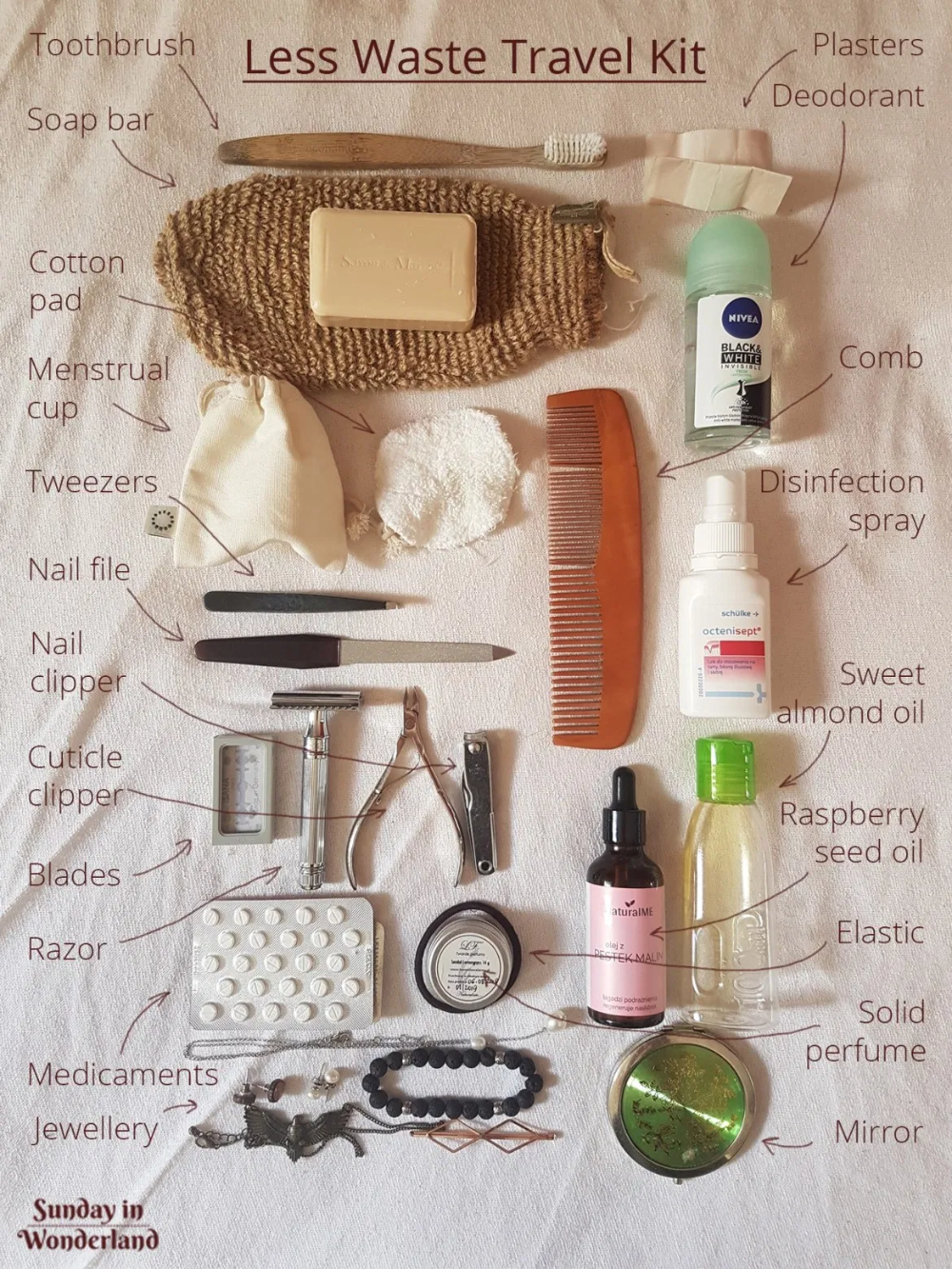
Safety razors, electric trimmers and toothbrushes are your most reliable friend. If that's overshooting your budget, choose the bamboo version at your local convenience store.
Take a look for yourself on the ultimate way of helping yourself and the planet.
- Clothes...
...or also known as "fast fashion".
Every time you wash synthetic fabric, such as polyester, nylon, or acrylic, microplastics are released into the water supply.
It takes little guess to acknowledge these microplastics make up a significant portion of ocean pollution.
Quick Fact Check: Over a THIRD of all microplastics in the ocean come from synthetic textiles. That hoodie you’re wearing? It’s part of the bigger picture. (Source: IUCN)
Fast fashion isn’t just unethical—it’s unsustainable. Every cheap outfit takes you another step away from achieving sustainable sovereignty.
It's that simple.
It is not just about turtles choking on straws. Or mass pollution in landfills...
...It’s about power.
It’s about the systems designed to keep you dependent on cheap, disposable convenience while they rake in profits and keep you locked in subordinance.
But here’s the thing: once you see the problem, you can’t unsee it. And I believe you can do better.
For yourself.
THE REAL TRUTH ABOUT SINGLE USE PLASTICS WHICH YOU DESERVE TO KNOW...
access "blueprint:entrapment"